 Skip to content

Last Updated: November 15, 2026
Quick Summary
Engraved jewelry does not wear off quickly when the design is cut into the metal rather than printed on top. Cut engraving lasts for the life of the piece; what can fade is the finish around it. Most guides get this wrong, blaming the engraving when the real change is lost contrast.
- Depth decides durability: hand engraving holds detail longest, while chemical etching fades fastest.
- Inside-band engraving sees almost no abrasion; outer-face engraving on a dominant hand sees the most.
- Skip silver dips, ultrasonic cleaners, and abrasive polishes on blackened or oxidized fill.
- Clean engraved jewelry with lukewarm water, mild dish soap, and a soft baby toothbrush.
- A softened engraving can often be deepened by a hand engraver, but deepening removes more metal.
Table of Contents
- Does Engraved Jewelry Wear Off Quickly?
- How Long Does Jewelry Engraving Last?
- Does Ring Engraving Wear Off? High-Contact Spots and Everyday Friction
- How to Care for Engraved Steel Jewelry
- How to Clean Engraved Jewelry Without Damaging It
- Choosing a Piece That Holds Its Message
- Frequently Asked Questions
Does Engraved Jewelry Wear Off Quickly?
No. Engraved jewelry does not wear off quickly when the design is cut into the metal rather than printed on top. The worry is real: you pay for a personal message and want it to survive daily wear.
Most guides get this wrong. People blame the engraving when the real change is contrast: a darkened fill wears away and fine lines soften, but the letters are still there, sitting in the metal.
Below, we'll show how long each engraving method lasts, which spots wear first, and how to clean a piece without harming the detail.
How Long Does Jewelry Engraving Last?
Jewelry engraving cut into metal is part of the metal, not sitting on the surface, so the message does not peel, flake, or wash away.
Lifespan depends on how the mark was made, not how often it is worn. Here is how the main methods generally compare:
| Method | How It Marks the Metal | Typical Lifespan | Detail Over Time |
|---|---|---|---|
| Hand engraving | Cuts deep grooves with a graver | Lifetime | Holds detail longest |
| Laser engraving | Vaporizes a shallow layer | Years to lifetime | Fine lines soften first |
| Rotary engraving | Cuts with a spinning bit | Lifetime | Sharp edges round off slightly |
| Chemical etching | Dissolves the surface with acid | Years | Shallowest, fades fastest |
| Surface printing | Sits on top of the metal | Months | Rubs off with friction |
The pattern is clear: depth decides durability. A deep cut removes more material, so wear takes far longer to blur the edges of a letter.
Does Ring Engraving Wear Off? High-Contact Spots and Everyday Friction
Ring engraving shows wear as the cut edges soften over time. A ring rubs against skin, pockets, keys, and other rings all day. The cut stays; what changes is how crisp the edges look.
High-contact spots to think about:
- The outer face of a ring
- The edge of a pendant that rests against the chest
- Clasp areas on bracelets
- The back of a cuff that slides on and off
- The underside of a watch case back that rests on the wrist
Telling Worn Engraving from Scratches, Tarnish, or Lost Fill
Most people who think their engraving is "wearing off" are looking at one of three things that are not the cut:
- Lost black fill. Many engraved pieces are darkened with a black oxide or lacquer fill for contrast. That fill sits in the groove, not the metal, and lifts out with polishing, chlorine, or repeated wiping. The letters are still cut; they just read lighter.
- Surface scratches. Fine scratches across the face can make lettering look fuzzy from arm's length. Tilt the piece under a light, if the lines cross the letters rather than follow them, it is surface damage, not engraving wear.
- Tarnish or patina. Sterling silver darkens in the recesses first, which can make an engraving look deeper or muddier. A tarnish pattern follows the metal's exposure, not the design.
A true worn engraving shows rounded top edges and a shallower groove when you run a fingernail across it. If your nail still catches a distinct step, the cut is intact.
What Changes the Outcome
Engraved rings can look different over time depending on several factors:
- Placement. Inside-band engraving sees almost no abrasion; outer-face engraving on a dominant hand sees the most.
- Contact with other jewelry. Stacked rings, bracelets worn with a watch, and layered necklaces accelerate edge rounding.
- Occupation and activity. Gym work, gardening, mechanical trades, and rock climbing expose a ring to grit and impact that desk work does not.
- Fit. A loose ring rotates and rubs; a snug ring stays put.
- Chemical exposure. Chlorine, cleaning sprays, and hand sanitizer attack fills and finishes more than the cut.
If you want the message to stay sharp for decades, put it where the piece touches least and keep the fit right. The cut will outlast the polish either way.
How to Care for Engraved Steel Jewelry
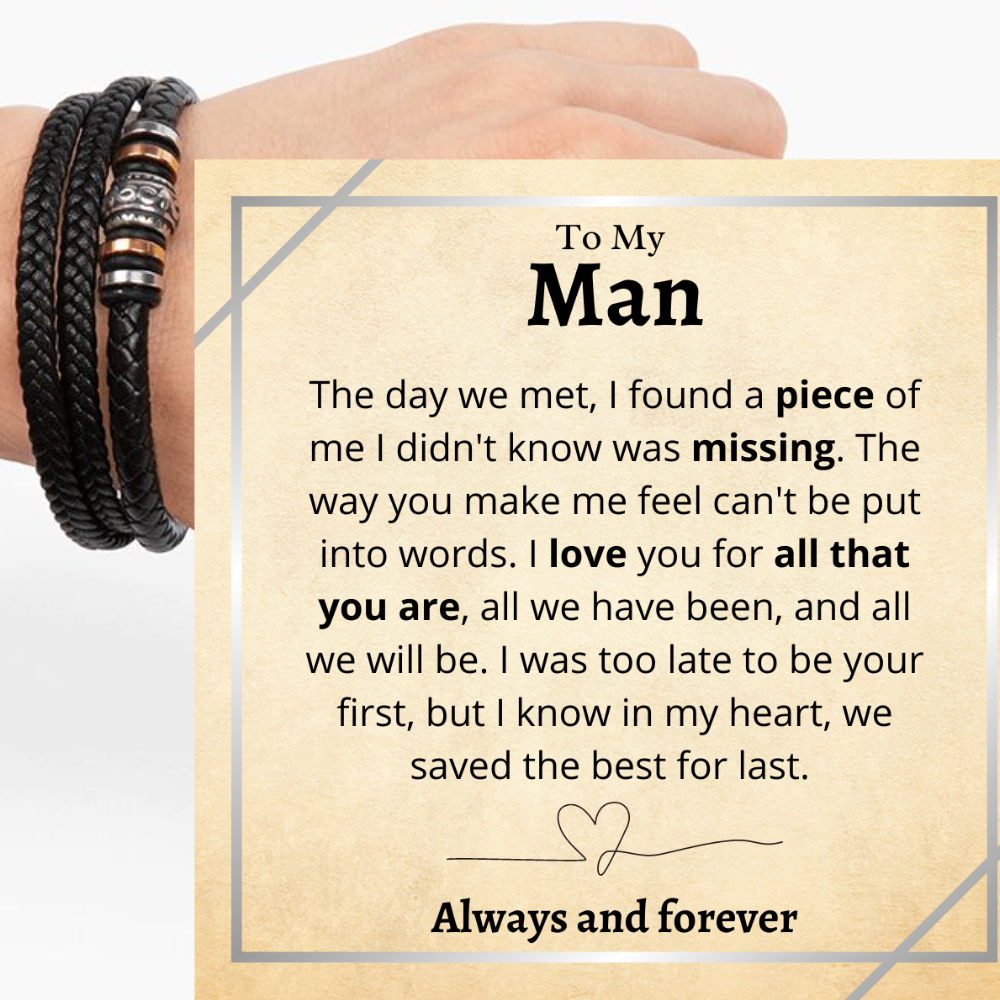
Stainless steel is a low-maintenance metal, and it takes engraving well. Our steel and leather engraved bracelet is one option in this metal.
Gold, platinum, and sterling silver all engrave well too, but each behaves differently, and the care that keeps the engraving readable is not the same for each:
| Metal | How It Ages | Care That Protects the Engraving |
|---|---|---|
| Gold (yellow, white, rose) | Soft; scratches and shows edge wear sooner; white gold rhodium plating can wear at high-contact spots | Wipe after wear; avoid abrasive polish over cut areas; have white gold re-plated when the surface dulls |
| Platinum | Dense; holds fine detail for decades; develops a patina rather than losing metal | Mild soap and soft brush; a jeweler's light polish restores shine without deepening the cut |
| Sterling silver | Tarnishes; darkening settles in the recesses first | Dry cloth after wear; store in a tarnish-resistant pouch; avoid dips that strip blackened fill |
| Stainless steel | Resists tarnish; keeps its finish; can still show surface scratches | Wipe with a damp cloth; dry fully; separate from softer metals in storage |
A common mistake is storing steel next to silver or gold without a pouch. Metals rub, and soft ones lose their polish first. Keep each piece separate.
Care by Engraving Finish
The metal is only half the story. The finish inside the engraving changes what is safe to do:
- Blackened or oxidized fill. Skip silver dips, ultrasonic cleaners, and abrasive polishes, all three lift the fill. Wipe with a dry soft cloth and re-fill only if a jeweler offers it.
- Bright-cut (unfilled) engraving. Safe to clean with mild soap and a soft brush; the cut is durable, so the goal is keeping the surrounding surface bright.
- Coated or plated surfaces. Rhodium, enamel, and lacquer coatings wear at high-contact spots before the engraving does. Avoid polishing compounds that cut the coating.
- Laser-marked (shallow) engraving. Treat it like a finish, not a cut, gentle cleaning only, and no abrasive pads over the marked area.
Heartfelt Gift Store has been helping people find meaningful, heartfelt gifts since 2021.
When to Have Engraving Restored
A softened engraving can often be deepened by a hand engraver, and a lost black fill can be re-applied. Both carry risk: deepening removes more metal and can weaken a thin band, and re-polishing around a shallow laser mark can erase it entirely. Ask a jeweler to look at the piece first, and skip restoration on very thin shanks or on pieces with coatings you want to keep.
How to Clean Engraved Jewelry Without Damaging It
Cleaning engraved jewelry safely takes about five minutes and a soft cloth. Skip the harsh steps and the detail stays sharp.
Follow these steps:
- Wipe after each wear. A dry soft cloth lifts sweat and oils before they set.
- Wash with mild soap. Use lukewarm water and a drop of dish soap.
- Work a soft brush. A baby toothbrush reaches into the grooves without scratching.
- Rinse and dry fully. Pat dry with a lint-free cloth, then air dry.
- Skip the abrasives. No toothpaste, baking soda, or rough pads on engraved areas.
- Avoid chlorine and harsh cleaners. Take pieces off before pools and cleaning sprays.
- Store dry and separate. A pouch per piece prevents rubbing.
If you want guidance on buying another personalized piece, our guide to choosing a personalized message keychain walks through what to check before you order.
Choosing a Piece That Holds Its Message
The best defense against wear is the choice you make before the engraving is cut. Pick the method and the placement, and the message outlasts the trend.
Start with these questions:
- Is the mark cut into the metal, not printed on top?
- Is the message on an inside surface or a low-contact spot?
- Does the metal suit daily wear, or is it a special-occasion piece?
- Is the lettering deep enough to stay sharp for years?
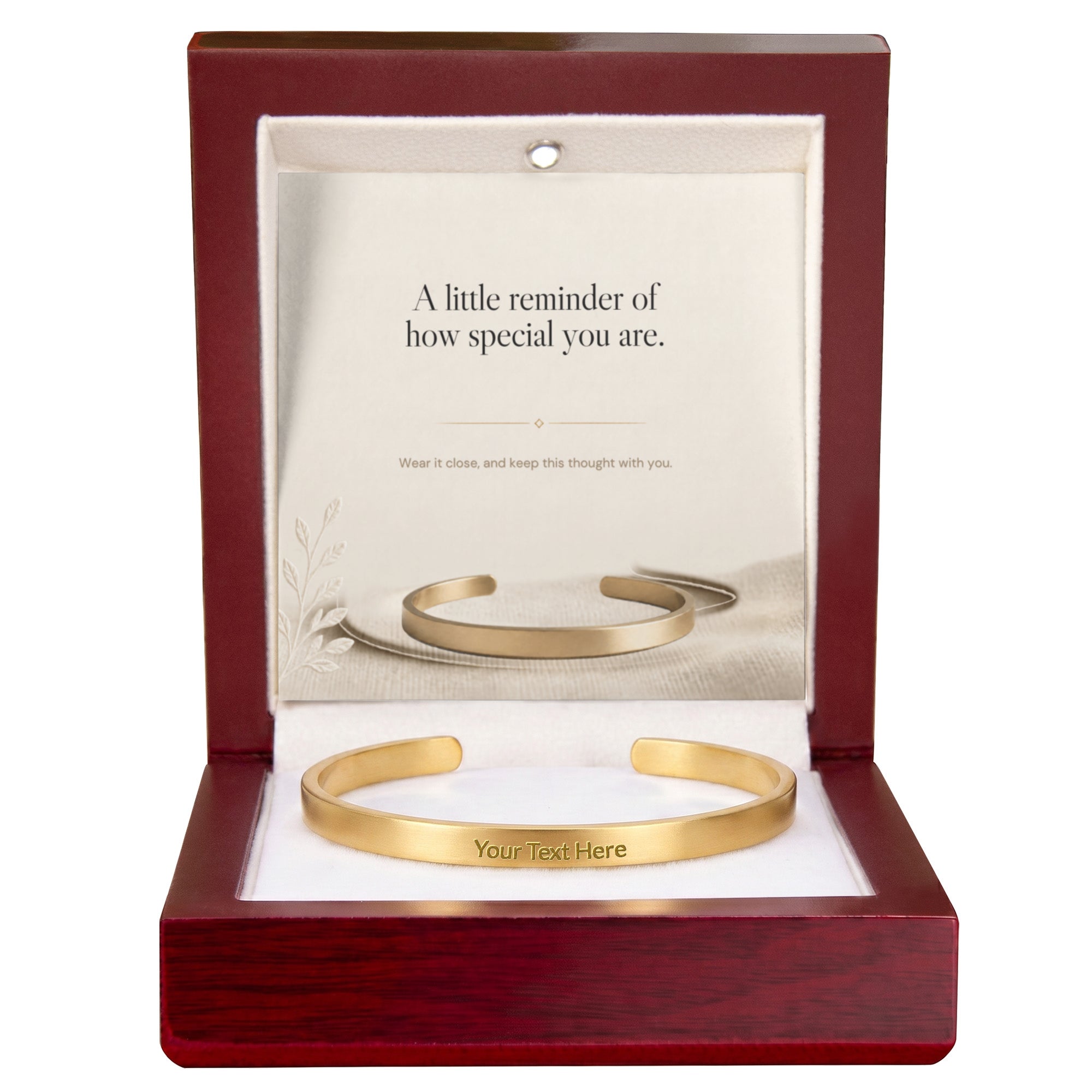
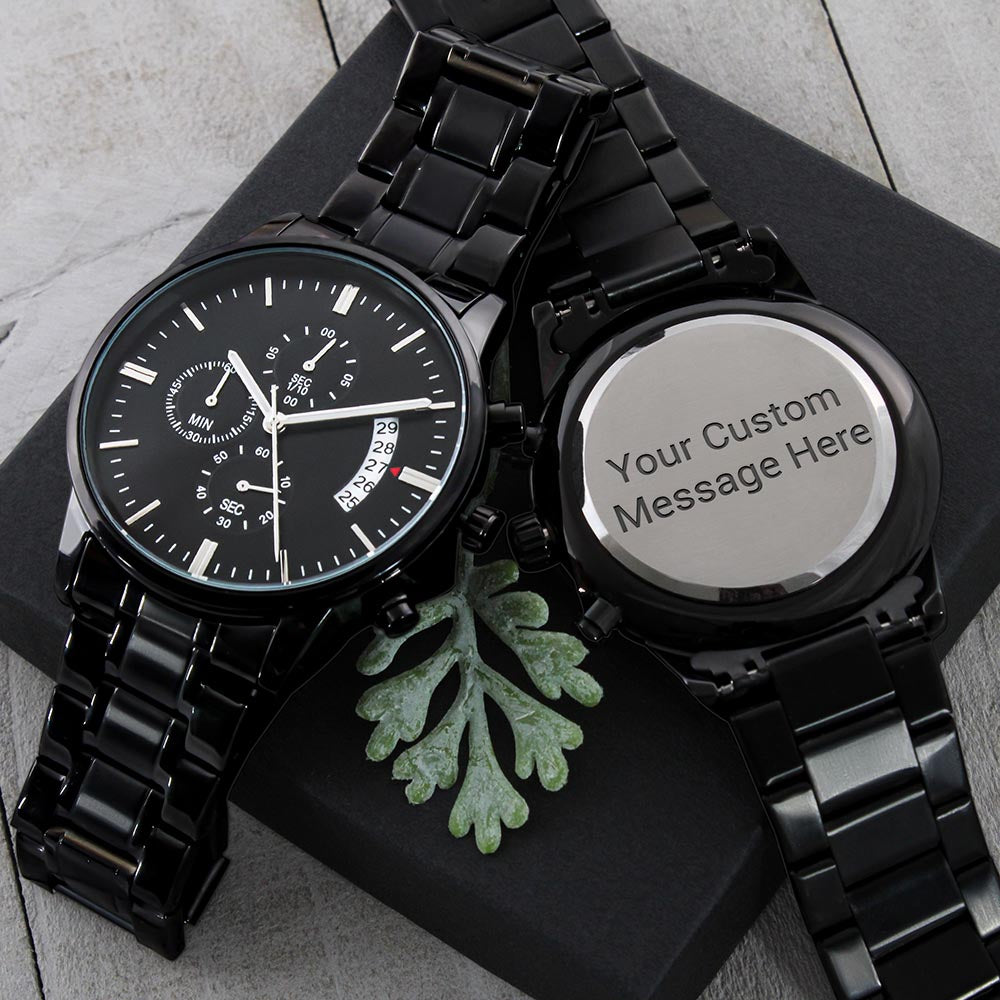
For a piece meant to be worn every day, a custom engraved cuff gives you room for a longer message on a surface that takes less friction than a ring. You can browse our custom engraved cuff bracelet to see the options. For a durable gift for a partner, an engraved chronograph watch with a custom message keeps the words on the case back, away from the busiest wear.
The message matters more than the shine. Choose a deep cut, care for it simply, and it will still read clearly long after the polish has dulled.
Your loved one deserves a message that lasts as long as the feeling behind it. Heartfelt Gift Store offers personalized message options on jewelry, hypoallergenic and tarnish-resistant stainless steel materials, and a complimentary soft touch gift box with every order. Get started with Heartfelt Gift Store and give a keepsake they will read for years.
Frequently Asked Questions
Does engraved jewelry wear off quickly?
No. When the design is cut into the metal, engraved jewelry does not rub off the way a printed design can. What changes over time is the finish: polished raised edges soften, darkened fill can fade, and fine detail can lose sharpness.
Does engraving on platinum wear off?
Platinum is dense and holds cut detail well, so the engraving itself stays put. The surface around it develops a patina and small scratches, which can make fine lines look less crisp.
Why is my engraved pendant fading?
In most cases the metal is fine and the finish is what changed. Darkened fill inside the letters can wear away, and surface polishing over time reduces contrast between the engraving and the metal around it.
How can I clean engraved jewelry without damaging it?
Wipe it with a soft, dry cloth after wearing, then wash occasionally with mild soap and lukewarm water using a soft brush. Rinse and dry completely. Store the piece separately so it does not rub against other jewelry.


